
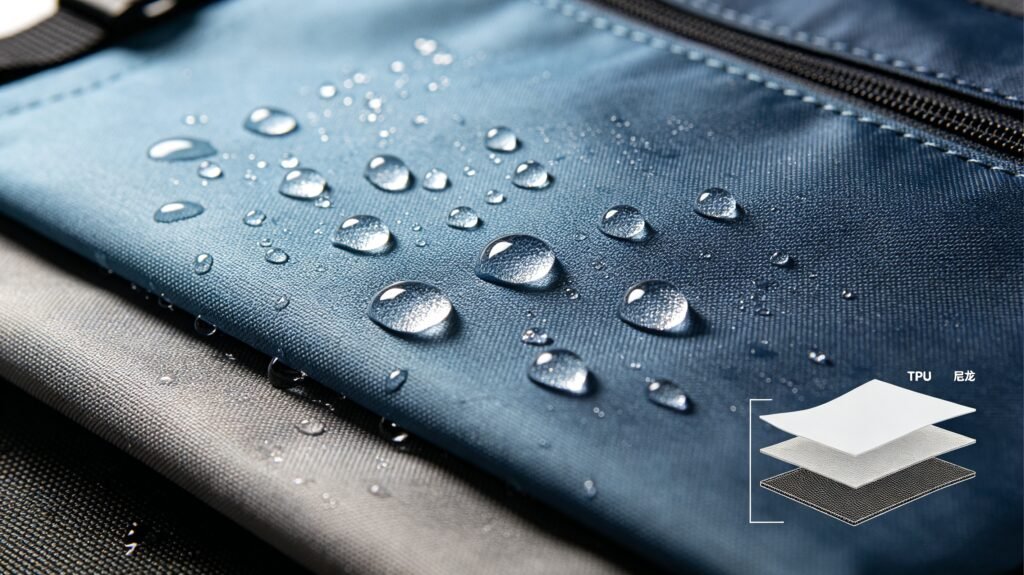
Picking bag fabric shouldn’t feel like chemistry class. But walk into any factory or browse Alibaba long enough, and you’ll hit a wall of jargon: denier counts, PU coatings, tensile strength charts.
Here’s the straight story on the four fabrics you’ll actually encounter.
Oxford Cloth: The Office Favorite
Oxford isn’t fancy. It’s a basketweave fabric—usually cotton or a poly-cotton mix—that keeps its shape without much fuss. Picture those structured messenger bags that stay upright even when empty. The weave gives it a subtle texture that looks pricier than it actually is, which is why every corporate gift supplier has piles of it in stock.
The good: Looks professional, takes printing well, mid-range price. Great for laptop bags, conference totes, anything that needs to look “put together.” I’ve seen law firms and banks default to Oxford because it photographs well for LinkedIn posts and doesn’t wrinkle on the train ride in.
The catch: Sucks up water unless coated. Heavy compared to synthetics. The cotton content means it can shrink if someone throws it in a washing machine (and they always do, despite the care label).
I usually spec Oxford when the client cares more about looking organized than surviving a monsoon. For trade show bags that get used twice then forgotten, it’s perfect. For daily commuters in Seattle? Add a PU coating or pick something else.
Nylon: The Workhorse
If bags were cars, nylon is the pickup truck. Look at the denier number—that’s fiber thickness. 210D is tissue-thin packable stuff. 500D-840D is your everyday sweet spot. 1050D ballistic nylon? That’s military-grade abrasion resistance that costs accordingly.
The good: Insane strength-to-weight ratio. Dries fast. Takes beating after beating. The hydrophobic fibers don’t absorb water, so your bag stays light even in rain. I’ve seen 840D nylon bags outlast their owners’ interest in them.
The catch: Fades in UV light unless treated. Melts near heat—don’t leave it on a car dashboard in July. Feels “technical” rather than “nice”—shiny, synthetic, a bit camping-store.
When it comes to travel bags, outdoor gear, or anything destined for rough handling—nylon’s your go-to. Keep it simple. I had a client once who demanded canvas for hiking backpacks because it “looked authentic.” Six months of warranty claims later, they quietly switched to nylon. Authenticity doesn’t carry 30 pounds up a mountain.
Polyester: The Safe Bet
Polyester is what you get when you want nylon’s benefits without the price tag. It sacrifices some durability for color stability and UV resistance. Water rolls right off. The fibers don’t flex as well as nylon—so it’s more prone to tearing but holds its shape better when printing logos.
The good: Cheapest option. Colors stay vivid years later. Low maintenance—machine wash, air dry, done. Perfect for promotional totes, gym bags, anything mass-produced where unit cost matters.
The catch: Lower tear strength. Pills over time with friction. Environmental guilt—every wash releases microplastics into waterways.
Honestly? For 70% of bag projects, polyester is fine. It’s the “good enough” that wins on price. I’ve sourced millions of polyester tote bags for retail chains. Customers use them for groceries, beach trips, laundry—abuse them for two years, then buy another. That’s the business model.
The recycled PET versions (rPET) help with the eco-story. Made from plastic bottles, performs almost identically. Costs 15-20% more but sells the sustainability angle to guilt-ridden consumers.
Canvas: The Stubborn Classic
Thick cotton. Heavy. Absorbs water like a towel unless waxed. Yet people keep buying it, century after century.
The good: Biodegradable. Ages well—develops that “patina” that vintage enthusiasts pay extra for. Handles serious weight without tearing. That “heritage” aesthetic sells at premium prices.
The catch: High maintenance. Waxed canvas needs re-waxing every season or two. Cotton canvas molds if stored damp. Weighs significantly more than synthetics—a canvas backpack empty can weigh what a nylon one does full.
I recommend canvas for two scenarios: eco-conscious brands where “natural” matters more than function, or heavy-duty tool bags where weight isn’t the issue. Construction workers don’t care about ounces; they care about not dropping power tools through the bottom.
The waxed variety solves the water problem but adds cost and stiffness. It also smells like… wax. Some customers love that camping-store vibe. Others think their bag is defective and demand refunds.
Quick Decision Chart
| Need | Pick This | Why |
| Professional look | Oxford | Structure + polish |
| Travel/abuse | Nylon | Strength + light weight |
| Cheap + colorful | Polyester | Value + printability |
| Eco/heritage | Canvas | Biodegradable + style |
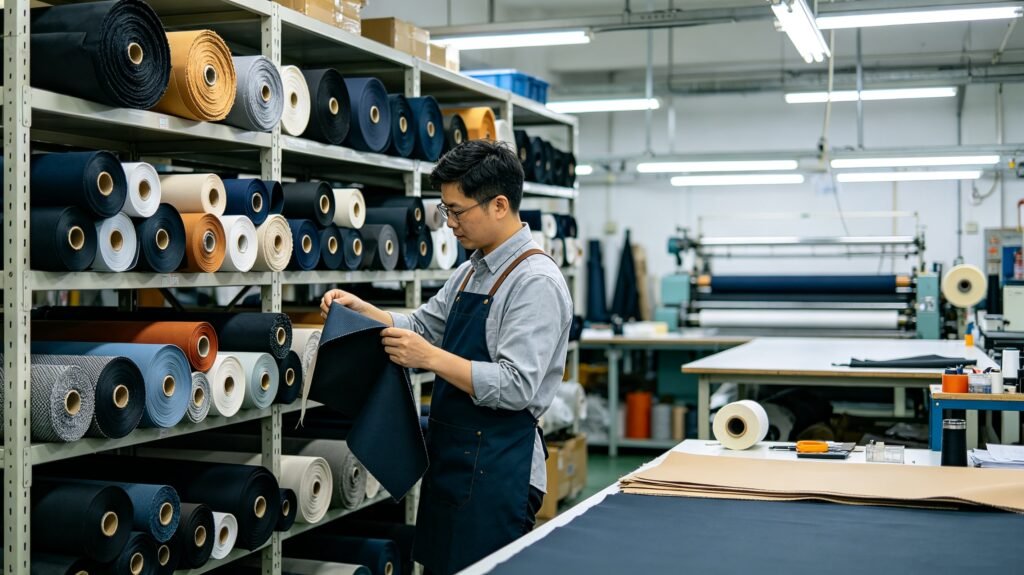
Real Talk on Coatings
Raw fabric is rare. Most get PU coating (water-resistant, breathable, adds $0.50-1/meter) or TPU lamination (waterproof, heavier, adds $1.50-3/meter). Canvas gets waxed or oil-treated.
These layers matter more than the base fabric for weather protection. Ask your supplier: “What’s the hydrostatic head rating?” Anything over 1,000mm handles rain. Over 3,000mm is dry-bag territory. Don’t just accept “water-resistant”—that phrase means nothing without numbers. I’ve had suppliers claim “waterproof” canvas that leaked in a light drizzle. Get the spec sheet.
Bottom Line
Stop chasing “best” material. Chase appropriate material.
Nylon for performance. Polyester for budgets. Oxford for business. Canvas for vibe.
The bag that gets used is better than the bag with perfect specs sitting in a closet. I’ve seen $20 polyester totes outlast $200 canvas bags because the owner actually liked carrying them. Match the fabric to the lifestyle, not the marketing deck.